
Why Dry Eye Is Increasing in Scottsdale — And the Treatments That Actually Work
 Dry eye symptoms are becoming increasingly common across Scottsdale. More residents are experiencing burning, irritation, watering, and fluctuating vision throughout the day. For many, over-the-counter drops provide only temporary relief. Scottsdale’s unique climate and lifestyle factors are driving a rise in chronic dry eye, and modern treatments are proving far more effective than older approaches.
Why Scottsdale Is Seeing More Dry Eye
Scottsdale’s environment and lifestyle patterns create ideal conditions for evaporative dry eye. The most common contributors include:
- Very low humidity, often below 20%, which accelerates tear evaporation.
- High digital screen usage, reducing blink rates and stressing the tear film.
- Age-related gland changes, especially after age 40, decreasing natural oil production.
- Desert dust and allergens, which inflame the ocular surface and worsen dryness.
These factors compound each other, making dry eye more persistent for many Scottsdale residents and patients who travel in from nearby areas like Paradise Valley and North Phoenix.
Why Artificial Tears Aren’t Fixing the Problem
Most patients start with lubricating drops, but these can only mask symptoms briefly. The core issue for many Scottsdale residents is blocked meibomian glands, which normally produce the oils that keep tears from evaporating. When these glands clog, dryness becomes chronic and no amount of artificial tears can correct gland obstruction.
Long-term relief requires targeted in-office dry eye treatment that restores gland function instead of simply adding artificial moisture.
Treatments That Deliver Real, Lasting Relief
Modern therapies are designed to solve dry eye at the source. The most effective options include:
- Heat-based meibomian gland treatments (such as LipiFlow®, TearCare®, or iLux®) that warm and clear blocked glands, restoring healthy oil flow.
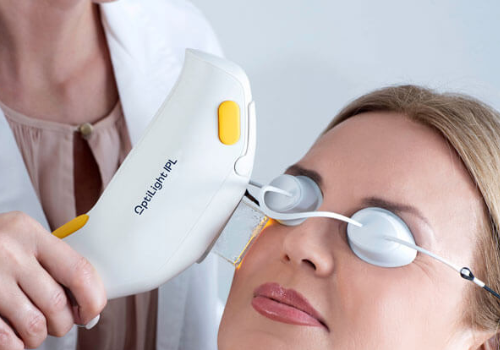
- Intense Pulsed Light (IPL) to reduce inflammation and abnormal blood vessels, especially helpful for patients with redness or rosacea.
- Scleral lenses that create a fluid reservoir over the cornea for all-day hydration in more severe cases.
- Prescription therapies such as Restasis®, Xiidra®, Tyrvaya™, punctal plugs, or structured lid hygiene to support long-term stability.
Most patients achieve the best results using a personalized combination of these dry eye treatments, tailored to their eye health, daily habits, and time spent in Scottsdale’s dry climate.
What to Expect in a Scottsdale Dry Eye Evaluation
A modern dry eye exam goes beyond a standard vision check. Meibomian gland imaging, tear breakup time testing, inflammation analysis, and blink pattern review help pinpoint the exact cause of dryness. This clarity allows for a tailored treatment plan rather than guesswork.
If you’re experiencing irritation, watering, fatigue, or fluctuating vision—especially in Scottsdale’s dry environment—it may be time for a clinical dry eye evaluation. Early treatment protects long-term gland health and improves everyday comfort.
Schedule Your Dry Eye Consultation
If you’re experiencing irritation, burning, tearing, or fluctuating vision, book a comprehensive dry-eye evaluation with Dr. Jill Rago at Optics of Scottsdale. Dr. Rago provides advanced diagnostics and modern dry eye treatments tailored to Scottsdale’s climate and lifestyle demands.
Optics of Scottsdale – Dr. Jill Rago
20301 N. Hayden Rd, Suite 100, Scottsdale, AZ 85255
(480) 991-0509
https://opticsaz.com